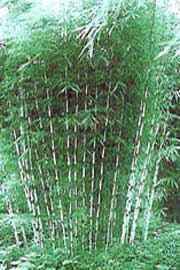
Showing posts with label Bamboo. Show all posts

Friday, July 3, 2009

Growing Bamboo Plants In Five Easy steps!


Growing bamboo plants is not that difficult even for the worst green thumb in the world


Growing Bamboo Plants In Five Easy steps!


Author: Dean Caporella


Growing bamboo plants is not that difficult even for the worst green thumb in the world and should be a straightforward exercise.


However, there are some delicate stages bamboo will go through during it's early phase and we'll present a simple 5 step process to getting your plant into the ground, ready to face the world!


Bamboos are very hardy and will enhance the appearance of any garden. They are great for creating fence lines and for providing privacy, particularly in suburban areas.


The two varieties of bamboo, running and clumping are two different beasts in a sense. The running variety can be great for creating a quick fix to a fence line but it has caused issues in the past because of it's intrusive nature. There are ways to contain this variety within a designated space but that's for another article. We are more concerned with getting your plant in the ground and on it's way to full growth.


5 Step Planting Process


1. Digging your hole requires two very important considerations. Firstly, the hole should be at least the depth of the pot the plant is sitting in and secondly, you want to give it plenty of space. A general guide for width is about twice the width of the pot. Some go even a little wider.


2. Once the hole is dug, add a generous amount of compost mix into the soil. The compost and soil will surround the plant.


3. When the bamboo is positioned in the hole, the clump of soil around the plant when extracted from it's pot should be level with the soil line.


4. Watering is extremely important during the plant's early growth. Be careful not to let the soil around the plant dry out. Some experts consider the first 12-18 months as vital and watering consistently during this period is a prime objective.


5. Fertilizing can be tricky. The plant should receive at least three applications during the first 6-12 months. Presuming you are planting in Spring, fertilize then apply follow up applications in summer and the fall. A nitrogen-based fertilizer is highly desirable when growing bamboo plants.


Right Time To Plant


Spring is usually regarded as the best time for growing bamboo. Planting at this time means the plant is heading into the warmer months however, provided areas don't drop below 40-45 degrees faranheit or 5-7 degrees celcius in temperature then it may not matter when you plant.


The important thing to remember is to get the plant established during the first six months and although it is a hardy plant, it still needs plenty of nurturing during the vital root growth stage.


Growing bamboo plants in sub tropical and tropical areas is very successful but they can struggle in very cold climates. If you live in a cold climate then consider growing them inside.


Article Source: http://www.articlesbase.com/gardening-articles/growing-bamboo-plants-in-five-easy-steps-203786.html


About the Author:

Want to grow the best bamboo plants in your neighborhood? Enhance your garden's appearance with the latestgrowing bamboo tips plus news and reviews.


growing bamboo plants, bamboo

Control Bamboo From Spreading: Keep Bamboo In Check

Once you have grasped the nature of bamboo, maintaining it at a healthy level is relatively easy.

TAGS: bamboo, running bamboo, bamboo plant, bamboo planting


How To Keep Your Bamboo In Check And Avoid War With The Neighbors!


Author: Dean Caporella


Growing bamboo for the first time requires a little due diligence however, once you have grasped the nature of bamboo, maintaining it at a healthy level is relatively easy.


Growing bamboo is basically like building a house; you want to make sure the foundation is solid otherwise you'll encounter problems later on. It's placement in a garden is important. Generally, they enjoy full sun and in the initial growing phase, require some attention via watering, fertilizing and protection from competing weeds.


Runners And Clumpers


One aspect of growing this plant that people often overlook is the nature of bamboo: is it a running variety or a clumper. If you live in suburbia or a high density housing area then runners may not be a good idea unless you have a sound knowledge of containing them. Running varieties can cause havoc because of their ability to produce runners below the surface which can travel a great distance from the main base of the plant.


Running Varieties


Running bamboo is ideal in creating fence breaks or privacy barriers between neighbors and containing them, following sound planting principles, is achievable. Containment barriers such as large pots are the safest methods but for in-ground planting, then you'll need to build a special barrier around the plant. There are various methods which involve digging 2-3 feet deep around the area of the plant base.


Lining the wall of the barrier is often open to plenty of conjecture with plastic, concrete or metal used. Once the barrier is in place the bamboo is then planted. How effective is this against the spread of underground runners? Again, it's debatable. You'll get arguments for and against and may have to perform extra maintenance work away from the plant such as keeping surrounding sections dry.


Clumpers


With clumpers, the restriction barrier isn't required in most cases although some experienced gardeners will install lighter barriers just to play it safe. The root structure requires plenty of room to move so bear in mind, if you want the plant to reach maximum height, then be sure not to place it in too restrictive a base.


Bamboo can be planted at most times of the year. If you live in a cold climate, then make sure the planting takes place during the warmer months. This will give the plant plenty of time to mature and become established before the cold hits. Plant it too late and it won't, in all probability, survive the cold.


Planting bamboo requires a little homework initially but don't worry, it isn't "rocket science." Your bamboo garden center should be able to provide you with all the necessary instructions to negotiate your first planting venture. One more thing, you will need to check with your local government authority to ascertain whether planting bamboo is allowed. There are restrictions in some areas, particularly with the running varieties.


Article Source: http://www.articlesbase.com/gardening-articles/how-to-keep-your-bamboo-in-check-and-avoid-war-with-the-neighbors-85789.html

About the Author:

Dean Caporella is a professional broadcaster. Read this guide now before planting bamboo. Plus get the latest bamboo news and reviews at:http://www.bamboogalore.com


bamboo, running bamboo, bamboo plant, bamboo planting

Planting, Growing and Caring for the Ultimate Bamboo Hedge


OVERVIEW:
Are you planning to create a bamboo hedge to screen your yard for privacy? Well here are some sure-fire points you do not want to miss!

Bamboo Screening, Bamboo Landscaping, Bamboo Plants, Bamboo Care, How to Care for Bamboo, Bamboo Fertilizer, Growing Bamboo

Planting, Growing and Caring for the Ultimate Bamboo Hedge


Author: David Schindel

Are you planning to create a bamboo hedge to screen your yard for privacy? Well here are some sure-fire points you do not want to miss!


First, when creating a bamboo hedge you first want to determine the actual height that you want from your bamboo. The screening height that you will obtain from your bamboo will depend on your climate conditions. Bamboo plants are very adaptive to various climates; however, the height that is listed for the bamboo plant is for optimal growing conditions. Example: if you want a hedge height of 10 feet (3.05 m) and you live in a cold climate region then you may want to select a bamboo plant with a maximum height of 18 – 20 feet (5.49 – 6.10 m). Keep in mind that if the bamboo plant starts to grow taller than you want it is very easy to control the height.


Also pay attention to the light requirements for the species that you choose in relation to the placement of your landscaping.


Second, you want to select 2 – 3 different types of bamboo plants. By doing this if one species in the hedge dies you still have 1 – 2 others still actively growing. If you would just plant one bamboo species and it dies you have just lost your entire screening. You could plant three different types of bamboo and adjust your height accordingly. It would bring a nice looking dynamic to your landscaping.


Third, when selecting the different species, you will want Leptomorph or running bamboo. When planting this type of bamboo you will want to install a barrier or to proactively practice rhizome control to prevent your bamboo from running into other people’s properties. Keep your neighbor in mind just because you want bamboo does not mean that your neighbor does. If you are in a wide open space with nothing around you then the barrier may not be a big issue for you.


Be sure to water thoroughly after planting. Keep in mind that you will want to water very liberally for the first few days to a week depending on your current weather conditions. After that you will want to keep the soil moist. Do not soak the bamboos roots and rhizome, this will cause them to rot and die.


Do not fertilize newly planted bamboo until the plants have taken hold. When the plants have taken the best type of fertilizer would be rotted cow or horse manure.


Growing and caring for bamboo is not a difficult task you just need a little time and TLC.


Article Source: http://www.articlesbase.com/gardening-articles/planting-growing-and-caring-for-the-ultimate-bamboo-hedge-193991.html


About the Author:

David Schindel shares his expertise and knowledge with Growing, Pruning, and Caring for Bamboo Plants. Receive the latest Bamboo Tips and Techniques by subscribing to Free "Bamboo Care Tips Newsletter" at: http://www.BambooCareInfo.com


Bamboo Screening, Bamboo Landscaping, Bamboo Plants, Bamboo Care, How to Care for Bamboo, Bamboo Fertilizer, Growing Bamboo

Getting ready to Start to Grow Bamboo

OVERVIEW:
Bamboo may be one of the very best candidates for a kind of plant to grow in or outside your home. Bamboo is attractive, can bloom in a multitude of colors (depending on the variety), and, once mature, can survive with relatively little maintenance.

Get Started Growing Bamboo

Author: Jerry Work


Bamboo may be one of the very best candidates for a kind of plant to grow in or outside your home. Bamboo is attractive, can bloom in a multitude of colors (depending on the variety), and, once mature, can survive with relatively little maintenance. It is a good choice of plant for the busy, modern day person - except it's not really a plant. Bamboo is actually a kind of tall forest grass, which is what makes it such an adaptable plant. There are many different kinds of bamboo which are appropriate for specific environments - wet, dry, warm or cold. Picking the right bamboo for your surroundings is very important.

IMG 207 Bamboo in the garden of Bambouseraie de Prafrance France Jun09


Do not be fooled by the "lucky bamboo" that is sold in some stores. That bamboo, which requires nothing but some water in a vase to grow, is actually dracaena, a very common houseplant. As a side note, you can save a lot of money on lucky bamboo by buying it under its true name. There is a huge markup in the price when it is tagged and sold as lucky bamboo. Real bamboo requires more diligence than the falsely named lucky variety.


Bamboo grows best when exposed to maximum sunlight, although it is often advisable to provide shading for young bamboo plants. Bamboo also needs water, fertilizer, and protection to grow to its fullest, just like any other plant. You need to give your bamboo as much love and attention as your other plants.


Bamboo should be planted in a rich, organic soil. If your soil is too heavy, you might want to add mulch. The mulch should be placed around the bamboo at a thickness of about two inches. Good sources of mulch for growing bamboo include grass, compost, and manure.


Bamboo thrives best in warmer climates. If you live in a climate where it is reasonably warm year-round, then you can just about plant your bamboo any time you want. However, if you live somewhere with cold winters, you should plant the bamboo early enough in the year to allow it to harden before winter arrives. A layer of heavy mulch can also help bamboo survive a cold winter environment.


One thing to keep in mind about bamboo is that it is a running plant, meaning that it has roots that spread out, often destroying nearby plants and animal habitats. For this reason, it is often recommended that a barrier be placed up to 30 inches in the ground to block the spread of roots. When bamboo roots encounter obstacles while expanding outward, they will grow downward, looking for a new way to go. That is why the barrier needs to be so deep.


Bamboo can also be grown in a pot, although it requires more care and attention. For example, in a pot, bamboo can get too dry or too wet because it lacks its own access to soil in the ground. Bamboo grown in pots does not tend to grow as well as bamboo in the ground.


Young bamboo plants should be watered liberally, as much as every day during the summertime. More mature bamboo requires less watering. Also, young, thin bamboo stalks may need to be tied to a stake or some kind of sturdy object to prevent wind damage.


So, yes, bamboo does require some work, especially in the beginning - way more than your lucky bamboo. But it is definitely worth the effort to introduce such a pleasing and unusual plant to your home.


Article Source: http://www.articlesbase.com/nature-articles/get-started-growing-bamboo-392112.html

About the Author:For more information about bamboo or bamboo flooring, visit WorldFloorsDirect.com, a company specializing in wood flooring that originates from managed sustainable forests.


[bamboo] bamboo wood, bamboo flooring, plants, environmental wood flooring
[grow bamboo] [bamboo plants]


All About Bamboo and Growing Bamboo for your Tropical landscape.

Tropical landscape and gardening Article: Growing the exotic Bamboo plant.

Bamboo

Author: Abhijit Banerjee


One of the most enduring images of India’s freedom struggle is that of Mahatma Gandhi setting out on the Salt March in 1930, on a 140 kilometre trek from Ahmedabad to Dandi. All he had by the way of support were the multitudes behind him, and the bamboo stave by his side. The bamboo in his hands, today more than ever before, is one of the newest hopes for a sustainable future. Found in almost every kind of climate and region, from cold mountains to tropical forests and marsh lands, the bamboo is the fastest growing plant on our planet. Environmentalists believe that if bamboo were used in a major way in afforestation programs the world over, there would be a significant reduction in global warming. Here are some of its other benefits to humans and their environments --


  • It is one of the cheapest renewable sources of building material available to man.


  • At the same time, it provides rural communities with a sustainable livelihood.


  • It is one of the fastest growing components of forests, and thus plays an important role in the development of animal habitats.


  • It costs neither a lot of energy nor money, to cultivate.


  • Bamboo has been an important part of art, music, tradition and ceremonies through out the Asian continent.


Varieties


There are approximately 91 general and about 1000 species of bamboo around the globe. These vary in height from about one foot plants to giant bamboos that grow over 100 feet. Broadly speaking, Bamboo is divided into 2 main classifications – Running Bamboo and Clumping Bamboo.


  1. Running Bamboo – This type of Bamboo travels under the soil using creeping rhizomes and emerges out of the ground at a distance from the original source. This variety is normally found in temperate climate countries like China and Japan. It is very effective in binding the soil together as the rhizome intersection is extensive and strong. Each joint of the Running bamboo stem has a single bud, which in many cases grow to become a new bamboo clump.


  2. Clumping Bamboo – In this variety, the clump and the rhizome are a single entity, in which the upper portion of the rhizome has buds. The bud then grow into a new rhizome which turns upwards and emerges, from the ground, as a second clump close to the original. This variety can also be grown from cuttings. They are normally found more in tropical and semi tropical climates.


Growing Bamboos


Bamboos need plenty of water in a well drained, fertile soil to grow optimally. This is why they are most commonly found on river banks or the edges of swamps, never directly touching the water. During the dry season, bamboo clumps lie dormant, spreading through shoots sprouting from their base once it rains. The bamboo is an extremely sturdy plant and is naturally quite resistant to pests though the occasional Running Bamboo plant is prone to the Bamboo Mites which make a small but distinctive web on the plant. Some bamboo varieties may also be grown indoors.


Precautions During Bamboo Cultivation


  • Large bamboo produces large woody underground rhizomes that could damage paving, buildings or drainage systems if planted too close to these or other structures.


  • The roots which grow from the rhizomes of clumping bamboo are long and fibrous like those of palms or large clumping grasses. These are useful in stabilising the soil and preventing erosion, but may also create problems. Being flexible and fibrous rather than hard and woody, these roots will grow into and along slotted drainage pipes or any cracks in metal or ceramic pipes.


  • Bamboo rhizomes grow underground to emerge quite a distance away from the mother plant. So if planted in a wet, well drained and rich soil, bamboo can quickly spread and strangle other trees and plants in the area.


  • Once established as a grove, it is difficult to completely remove bamboo without digging up the entire network of underground rhizomes. If bamboo must be removed, an alternative to digging it up is to cut down the culms, and then repeatedly mow down new shoots as they arise, until the root system exhausts its energy supply and dies. If any leaves are allowed to photosynthesize the bamboo survives and will keep spreading.


Traditional Uses


The bamboo is a highly useful plant, a renewable resource with multiple uses. It has played a crucial role in the life of people all across south and south east Asia. Here are some of them --


  • Bamboo pulp is used for making paper


  • It may be burnt as fuel


  • Bamboo is known not only for the aesthetic beauty it imparts to its surroundings, but also for its tensile strength. Research has shown that during structural engineering tests, bamboo has a much higher tensile strength than many alloys of steel and a higher compressive strength than many mixtures of concrete. Which is why, for long, it has been a standard material in construction.


  • Its leaves are a good fodder for animals and fish.


  • Bamboo is used to make simple bowls, glasses etc by the simple expedient of cutting it from above and below a node.


  • It is used to make musical instruments. The flutes of Benares are a good example of this.


  • Many canes of bamboo lashed together, are still used as rafts and boats across the world.


  • In 1854, Henricg Globel, a German watchmaker made the first true light bulb. He used a carbonised bamboo filament inside a glass bulb. In 1879, Thomas Alva Edison too used bamboo splits as filaments, working with bamboo obtained from Japan. The bamboo filament tended to last about forty hours before burning out.


  • Bamboo is an important ingredient in many world cuisines. Its shoots are considered a delicacy in many parts of the world and are consumed in a variety of ways. They are sometimes pickled and used as a condiment, or used with other vegetables in a stir fry. Bamboo sap is also used to make a sweet wine while its leaves are used as wrappers for steaming food. The inner hollow in the bamboo stalks are also used to cook rice and boil soup. Bamboo along with other ingredients is used for making pancakes as well.


  • Bamboo plays an important role in the Chinese medicine system as well as in Ayurveda. Its roots are used to treat kidney problems and bamboo secretions are considered helpful in alleviating symptoms of asthma. Its sap is said to reduce fever and roots and leaves have properties that have been used to treat cancer. The Chinese also use bamboo to treat many infections. Bamboo skin prevents bacterial growth due to its antioxidant properties.


Modern Uses of Bamboo


Though one has stepped into the modern world today with changing lifestyles and choices, bamboo is still used in the same way across large parts of the world as it was used in the past. In fact it is rightly believed by many that no other plant has had the impact that bamboo has had on so many cultures over such an extended period of time. But now, with the help of technology, scores of new uses have been found for the age old bamboo. Here are some --


  • Bamboo furniture


  • Bamboo flooring


  • Bamboo blinds


  • Bamboo is a very comfortable eco fibre which is naturally anti-microbial. Due to the presence of micro pores, the fabric absorb three times more moisture than cotton, making it very comfortable to wear in the hot summer.


Did You Know?


  • Bamboo can grow about 4 feet in under 24 hours.


  • A Bamboo plant can be continuously re-harvested every 3 years, without causing any negative impact on the soil and the environment.


  • The dense roots of the bamboo plant are so deep into the soil and remain firmly intact that they prevent soil erosion in a very effective manner.


  • It retains twice as much water in the underground watershed.


  • It consumes nitrogen and thus remove pollution.


  • Bamboo plant produces 35% more oxygen than any other tree species. Bamboo also protects against ultraviolet rays.


  • Soft bamboo shoots, stems, and leaves are the major food source of the endangered Giant Panda of China.


  • The plant marketed as "lucky bamboo" is actually an entirely unrelated species, Dracaena sanderiana.


  • Bamboo is the only living thing that survived the Hiroshima atomic blast. It also provided the initial re- greening of that place.


Lucky Bamboo


Lucky Bamboo is, strangely enough, not a bamboo at all. It is a resilient member of the lily family that grows in the dark, tropical rainforests of Southeast Asia and Africa. Lucky Bamboo has long been associated with the Eastern practice of Feng Shui - or the bringing of natural elements of water, fire, earth, wood and metal into balance within the environment. It is believed to be an ideal example of the thriving wood and water element, with the addition of a red ribbon sometimes tied around the stalks - which is believed to "fire" the positive flow of energy or chi in the room.

About the Author:

Freelance writer specially in areas of sustainable living. Copperwiki, a conscious living website.

Article Source: ArticlesBase.com - Bamboo

[growing bamboo] [how to grow bamboo] [bamboo plants] [tropical landscaping]