Sunday, June 27, 2010

Tropical Plants and Landscaping: How to Grow a Palm Tree from a Coconut.

This article shows how to take a coconut, and grow it into a tropical palm tree.

Nothing shouts tropics, quit like the coconut palm.
It's inexpensive and easy to do. A very fun project.
A coconut is after all, just a large seed.


OVERVIEW
Coconut's fall from the tree when they are rip and ready to plant. So choose a ripe one for planting.
In a container and grown indoors a palm will last a little over 5 years. Planted outdoors coconut palms will survive for many many years in a rich well draining soil. 

PROCEDURE:
1.  Prepare soil for potting, Palms like moist, but well draining soil.
We use a soil mixture as follows:
   • 60% Black Soil
   • 20% Beach Sand
   • 10% Peat Moss
   • 10% Perlite

GREEN / TAN HUSK (Best Method)
These are the best for growing coconuts.
They have the outer casing still attached.
They should look like they dropped right from the tree.
You must hear milk inside if you shake it.
It should be free from rot or mold.

  1. Soak the coconut in a bucket of water for 3-4 days.
  2. Get a pot at least 2-3 inches larger than the coconut.
  3. Use the soil mixture listed above.
  4. Plant the coconut pointy side down. 
  5. Plant the coconut 2/3 into the soil.
  6. Leave 1/3 of the coconut above the ground.
  7. Water often enough to keep moist, but not damp.
  8. Keep the temperature at about 72 degrees, 80 is the best, and should never dip below 65.
  9. Your coconut will sprout anywhere from 1-7 months. (faster with warmer soil)

Grow a Coconut Palm Tree: Coconut Palm Sprouting.

[sprout a coconut] [coconut palm] [grow a coconut] 

Monday, June 21, 2010

Video showing how to grow Tropical plants, indoors or outside.

Video: Growing Tropical plants indoors or out.
How to grow tropical plants the right way.


Thursday, July 23, 2009

Fast Growing Trees for Privacy and Landscaping.

List and pictures of excellent fast growing trees
for privacy or landscaping.

We had a lot of people ask about fast growing trees,
so we thought we would post this article.

Many of them are not tropical by nature,
but a lot of these trees are still used in tropical 
landscapes.


There are many benefits for planting trees that grow fast. Some of the top reasons are to provide shade, color, vertical dimension, soundproofing, cooling, beauty, screening, windbreaks, boundary lines and wildlife habitats for birds, animals, and insects. Planting fast growing trees also will increase your property value.

trees that grow fast, fast growing trees, trees, landscape trees, tulip poplar. Thuja green giant,


Ten Top Trees That Grow Fast


Author: Julia Stewart


There are many benefits for planting trees that grow fast. Some of the top reasons are to provide shade, color, vertical dimension, soundproofing, cooling, beauty, screening, windbreaks, boundary lines and wildlife habitats for birds, animals, and insects. Planting fast growing trees also will increase your property value by at least 20%. Home buyers almost always choose a house with trees over those that don't, all things being equal. It's amazing that just by placing a tree in the correct area such as on the western or southwestern exposure of your house, you can significantly reduce your cooling cost in the summer by 10 -15% or more. Who wouldn't like that? Trees can also reduce carbon dioxide (CO2) emissions which is helpful in urban areas and they provide protection from ultra violet rays on playgrounds, schoolyards, and picnic areas. Let's face it, we all prefer having trees around if at all possible.


Many home owners want to know what type of fast growing tree they should plant. The answer depends on factors such as: your purpose for planting the tree, soil conditions, tree location (plant the right tree in the right place), species growth and form (give trees plenty of room to grow), and know any undesirable species traits like tree roots that may grow on top of the ground.


The following trees are especially good for the Mid South and are some of our favorites. Landscaping in the area for over 27 years has given us a great insight into which trees are best for this area. Your local extension agency will have a list for your area. Before you plant any of the following trees, be sure you know how big and wide they will grow so that you can put them in the right place in your yard.


Autumn Blaze Maple is one of our favorites and the fastest growing maple. It's resistant to insects and disease, has award winning foliage, and great fall color.


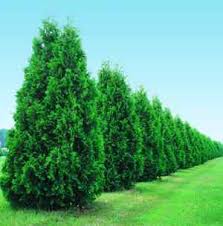
Thuja Green Giant grows 3-5 feet each year, grows tall but takes up little room, and is disease resistant.


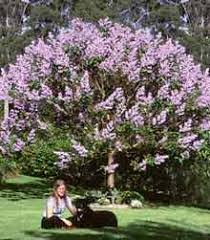
Royal Empress Tree grows up to 12 feet a year, has dense foliage, fragrant blooms, and is easy to grow.


Arapaho Crape Myrtle has bright red color, blooms spring to fall, very disease resistant, and grows well in tight spots.


Nelle Stevens Holly will give you year round privacy, is fast growing, grows almost anywhere, and is easy to maintain.


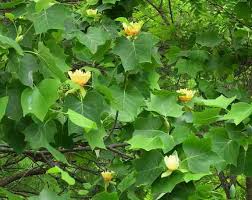
Tulip Poplar has gorgeous yellow fall foliage, grows up to 6 feet. a year, full yellow blooms in the spring, hard to beat for shade.


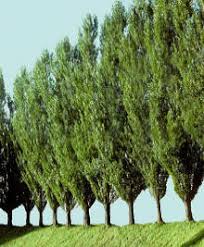
Lombardy Poplar grows up to 6 feet a year, easy to grow, great for windbreaks, fast growing for privacy.


Cryptomeria has soft feathery foliage which is great in arrangements, grows in any soil, easy to grow, and has a unique shape.


Kwanzan Cherry has vibrant pink blooms in spring and grows almost anywhere.


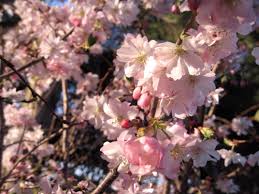
Autumn Cherry blooms in the spring and fall, has elegant white flowers, hugh double blooms, and is very adaptable.


These trees will grow fast if not planted too close to the house. Be sure you know how tall and full they will get before you place them. You may want to talk to a local nurseryman about your selection and you may want to ask him if there are any problems with these trees in your area. Water and fertilize them for the first 5 years until they are well established and you will be rewarded with a great fast growing trees. If you need more information on types of trees for different sites please visit http://www.flowers-plants-gardening-advice.com/types-of-trees.html


Article Source: http://www.articlesbase.com/gardening-articles/ten-top-trees-that-grow-fast-643764.html

About the Author:

Julia and her husband enjoy sharing their passion by teaching others about gardening through their popular web site http://www.flowers-plants-gardening-advice.com/ You can make money with your passion too. Please visit http://passion.sitesell.com/Julia21.html for more information.


Friday, July 3, 2009

Growing Bamboo Plants In Five Easy steps!


Growing bamboo plants is not that difficult even for the worst green thumb in the world


Growing Bamboo Plants In Five Easy steps!


Author: Dean Caporella


Growing bamboo plants is not that difficult even for the worst green thumb in the world and should be a straightforward exercise.


However, there are some delicate stages bamboo will go through during it's early phase and we'll present a simple 5 step process to getting your plant into the ground, ready to face the world!


Bamboos are very hardy and will enhance the appearance of any garden. They are great for creating fence lines and for providing privacy, particularly in suburban areas.


The two varieties of bamboo, running and clumping are two different beasts in a sense. The running variety can be great for creating a quick fix to a fence line but it has caused issues in the past because of it's intrusive nature. There are ways to contain this variety within a designated space but that's for another article. We are more concerned with getting your plant in the ground and on it's way to full growth.


5 Step Planting Process


1. Digging your hole requires two very important considerations. Firstly, the hole should be at least the depth of the pot the plant is sitting in and secondly, you want to give it plenty of space. A general guide for width is about twice the width of the pot. Some go even a little wider.


2. Once the hole is dug, add a generous amount of compost mix into the soil. The compost and soil will surround the plant.


3. When the bamboo is positioned in the hole, the clump of soil around the plant when extracted from it's pot should be level with the soil line.


4. Watering is extremely important during the plant's early growth. Be careful not to let the soil around the plant dry out. Some experts consider the first 12-18 months as vital and watering consistently during this period is a prime objective.


5. Fertilizing can be tricky. The plant should receive at least three applications during the first 6-12 months. Presuming you are planting in Spring, fertilize then apply follow up applications in summer and the fall. A nitrogen-based fertilizer is highly desirable when growing bamboo plants.


Right Time To Plant


Spring is usually regarded as the best time for growing bamboo. Planting at this time means the plant is heading into the warmer months however, provided areas don't drop below 40-45 degrees faranheit or 5-7 degrees celcius in temperature then it may not matter when you plant.


The important thing to remember is to get the plant established during the first six months and although it is a hardy plant, it still needs plenty of nurturing during the vital root growth stage.


Growing bamboo plants in sub tropical and tropical areas is very successful but they can struggle in very cold climates. If you live in a cold climate then consider growing them inside.


Article Source: http://www.articlesbase.com/gardening-articles/growing-bamboo-plants-in-five-easy-steps-203786.html


About the Author:

Want to grow the best bamboo plants in your neighborhood? Enhance your garden's appearance with the latestgrowing bamboo tips plus news and reviews.


growing bamboo plants, bamboo

Control Bamboo From Spreading: Keep Bamboo In Check

Once you have grasped the nature of bamboo, maintaining it at a healthy level is relatively easy.

TAGS: bamboo, running bamboo, bamboo plant, bamboo planting


How To Keep Your Bamboo In Check And Avoid War With The Neighbors!


Author: Dean Caporella


Growing bamboo for the first time requires a little due diligence however, once you have grasped the nature of bamboo, maintaining it at a healthy level is relatively easy.


Growing bamboo is basically like building a house; you want to make sure the foundation is solid otherwise you'll encounter problems later on. It's placement in a garden is important. Generally, they enjoy full sun and in the initial growing phase, require some attention via watering, fertilizing and protection from competing weeds.


Runners And Clumpers


One aspect of growing this plant that people often overlook is the nature of bamboo: is it a running variety or a clumper. If you live in suburbia or a high density housing area then runners may not be a good idea unless you have a sound knowledge of containing them. Running varieties can cause havoc because of their ability to produce runners below the surface which can travel a great distance from the main base of the plant.


Running Varieties


Running bamboo is ideal in creating fence breaks or privacy barriers between neighbors and containing them, following sound planting principles, is achievable. Containment barriers such as large pots are the safest methods but for in-ground planting, then you'll need to build a special barrier around the plant. There are various methods which involve digging 2-3 feet deep around the area of the plant base.


Lining the wall of the barrier is often open to plenty of conjecture with plastic, concrete or metal used. Once the barrier is in place the bamboo is then planted. How effective is this against the spread of underground runners? Again, it's debatable. You'll get arguments for and against and may have to perform extra maintenance work away from the plant such as keeping surrounding sections dry.


Clumpers


With clumpers, the restriction barrier isn't required in most cases although some experienced gardeners will install lighter barriers just to play it safe. The root structure requires plenty of room to move so bear in mind, if you want the plant to reach maximum height, then be sure not to place it in too restrictive a base.


Bamboo can be planted at most times of the year. If you live in a cold climate, then make sure the planting takes place during the warmer months. This will give the plant plenty of time to mature and become established before the cold hits. Plant it too late and it won't, in all probability, survive the cold.


Planting bamboo requires a little homework initially but don't worry, it isn't "rocket science." Your bamboo garden center should be able to provide you with all the necessary instructions to negotiate your first planting venture. One more thing, you will need to check with your local government authority to ascertain whether planting bamboo is allowed. There are restrictions in some areas, particularly with the running varieties.


Article Source: http://www.articlesbase.com/gardening-articles/how-to-keep-your-bamboo-in-check-and-avoid-war-with-the-neighbors-85789.html

About the Author:

Dean Caporella is a professional broadcaster. Read this guide now before planting bamboo. Plus get the latest bamboo news and reviews at:http://www.bamboogalore.com


bamboo, running bamboo, bamboo plant, bamboo planting

Planting, Growing and Caring for the Ultimate Bamboo Hedge


OVERVIEW:
Are you planning to create a bamboo hedge to screen your yard for privacy? Well here are some sure-fire points you do not want to miss!

Bamboo Screening, Bamboo Landscaping, Bamboo Plants, Bamboo Care, How to Care for Bamboo, Bamboo Fertilizer, Growing Bamboo

Planting, Growing and Caring for the Ultimate Bamboo Hedge


Author: David Schindel

Are you planning to create a bamboo hedge to screen your yard for privacy? Well here are some sure-fire points you do not want to miss!


First, when creating a bamboo hedge you first want to determine the actual height that you want from your bamboo. The screening height that you will obtain from your bamboo will depend on your climate conditions. Bamboo plants are very adaptive to various climates; however, the height that is listed for the bamboo plant is for optimal growing conditions. Example: if you want a hedge height of 10 feet (3.05 m) and you live in a cold climate region then you may want to select a bamboo plant with a maximum height of 18 – 20 feet (5.49 – 6.10 m). Keep in mind that if the bamboo plant starts to grow taller than you want it is very easy to control the height.


Also pay attention to the light requirements for the species that you choose in relation to the placement of your landscaping.


Second, you want to select 2 – 3 different types of bamboo plants. By doing this if one species in the hedge dies you still have 1 – 2 others still actively growing. If you would just plant one bamboo species and it dies you have just lost your entire screening. You could plant three different types of bamboo and adjust your height accordingly. It would bring a nice looking dynamic to your landscaping.


Third, when selecting the different species, you will want Leptomorph or running bamboo. When planting this type of bamboo you will want to install a barrier or to proactively practice rhizome control to prevent your bamboo from running into other people’s properties. Keep your neighbor in mind just because you want bamboo does not mean that your neighbor does. If you are in a wide open space with nothing around you then the barrier may not be a big issue for you.


Be sure to water thoroughly after planting. Keep in mind that you will want to water very liberally for the first few days to a week depending on your current weather conditions. After that you will want to keep the soil moist. Do not soak the bamboos roots and rhizome, this will cause them to rot and die.


Do not fertilize newly planted bamboo until the plants have taken hold. When the plants have taken the best type of fertilizer would be rotted cow or horse manure.


Growing and caring for bamboo is not a difficult task you just need a little time and TLC.


Article Source: http://www.articlesbase.com/gardening-articles/planting-growing-and-caring-for-the-ultimate-bamboo-hedge-193991.html


About the Author:

David Schindel shares his expertise and knowledge with Growing, Pruning, and Caring for Bamboo Plants. Receive the latest Bamboo Tips and Techniques by subscribing to Free "Bamboo Care Tips Newsletter" at: http://www.BambooCareInfo.com


Bamboo Screening, Bamboo Landscaping, Bamboo Plants, Bamboo Care, How to Care for Bamboo, Bamboo Fertilizer, Growing Bamboo

Getting ready to Start to Grow Bamboo

OVERVIEW:
Bamboo may be one of the very best candidates for a kind of plant to grow in or outside your home. Bamboo is attractive, can bloom in a multitude of colors (depending on the variety), and, once mature, can survive with relatively little maintenance.

Get Started Growing Bamboo

Author: Jerry Work


Bamboo may be one of the very best candidates for a kind of plant to grow in or outside your home. Bamboo is attractive, can bloom in a multitude of colors (depending on the variety), and, once mature, can survive with relatively little maintenance. It is a good choice of plant for the busy, modern day person - except it's not really a plant. Bamboo is actually a kind of tall forest grass, which is what makes it such an adaptable plant. There are many different kinds of bamboo which are appropriate for specific environments - wet, dry, warm or cold. Picking the right bamboo for your surroundings is very important.

IMG 207 Bamboo in the garden of Bambouseraie de Prafrance France Jun09


Do not be fooled by the "lucky bamboo" that is sold in some stores. That bamboo, which requires nothing but some water in a vase to grow, is actually dracaena, a very common houseplant. As a side note, you can save a lot of money on lucky bamboo by buying it under its true name. There is a huge markup in the price when it is tagged and sold as lucky bamboo. Real bamboo requires more diligence than the falsely named lucky variety.


Bamboo grows best when exposed to maximum sunlight, although it is often advisable to provide shading for young bamboo plants. Bamboo also needs water, fertilizer, and protection to grow to its fullest, just like any other plant. You need to give your bamboo as much love and attention as your other plants.


Bamboo should be planted in a rich, organic soil. If your soil is too heavy, you might want to add mulch. The mulch should be placed around the bamboo at a thickness of about two inches. Good sources of mulch for growing bamboo include grass, compost, and manure.


Bamboo thrives best in warmer climates. If you live in a climate where it is reasonably warm year-round, then you can just about plant your bamboo any time you want. However, if you live somewhere with cold winters, you should plant the bamboo early enough in the year to allow it to harden before winter arrives. A layer of heavy mulch can also help bamboo survive a cold winter environment.


One thing to keep in mind about bamboo is that it is a running plant, meaning that it has roots that spread out, often destroying nearby plants and animal habitats. For this reason, it is often recommended that a barrier be placed up to 30 inches in the ground to block the spread of roots. When bamboo roots encounter obstacles while expanding outward, they will grow downward, looking for a new way to go. That is why the barrier needs to be so deep.


Bamboo can also be grown in a pot, although it requires more care and attention. For example, in a pot, bamboo can get too dry or too wet because it lacks its own access to soil in the ground. Bamboo grown in pots does not tend to grow as well as bamboo in the ground.


Young bamboo plants should be watered liberally, as much as every day during the summertime. More mature bamboo requires less watering. Also, young, thin bamboo stalks may need to be tied to a stake or some kind of sturdy object to prevent wind damage.


So, yes, bamboo does require some work, especially in the beginning - way more than your lucky bamboo. But it is definitely worth the effort to introduce such a pleasing and unusual plant to your home.


Article Source: http://www.articlesbase.com/nature-articles/get-started-growing-bamboo-392112.html

About the Author:For more information about bamboo or bamboo flooring, visit WorldFloorsDirect.com, a company specializing in wood flooring that originates from managed sustainable forests.


[bamboo] bamboo wood, bamboo flooring, plants, environmental wood flooring
[grow bamboo] [bamboo plants]